During the Cold War, the CIA (Central Intelligence Agency) sought different ways to gather intelligence without raising suspicion. From human spies to trained cats to the invention of micro unmanned aerial vehicles (UAVs)
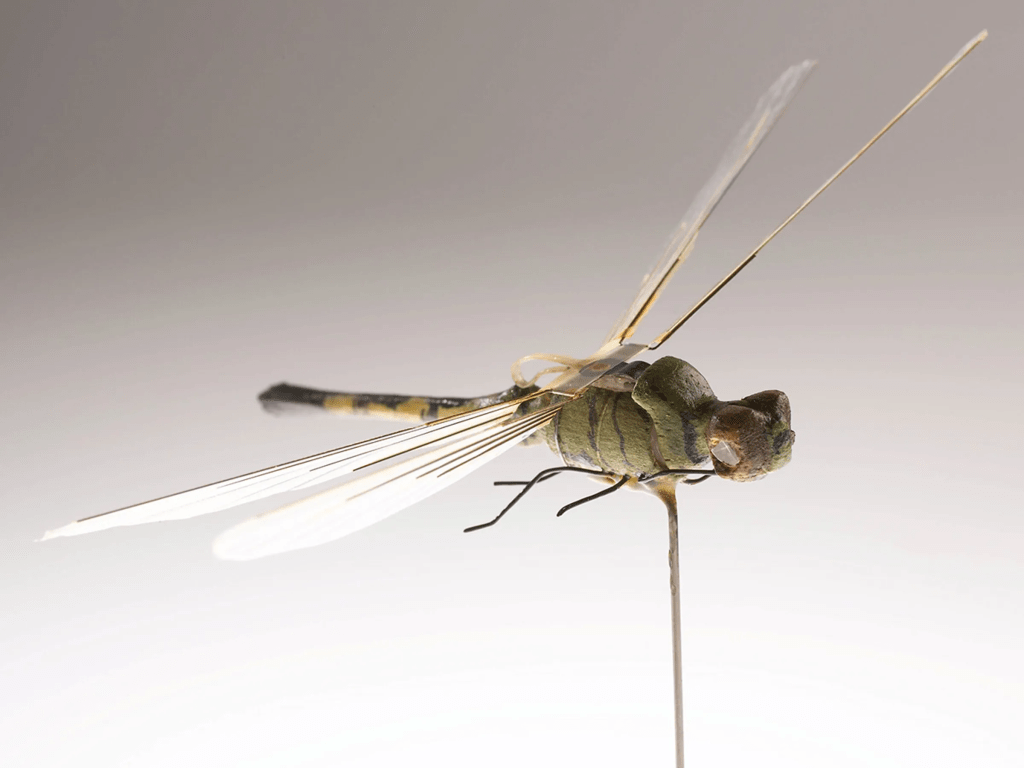
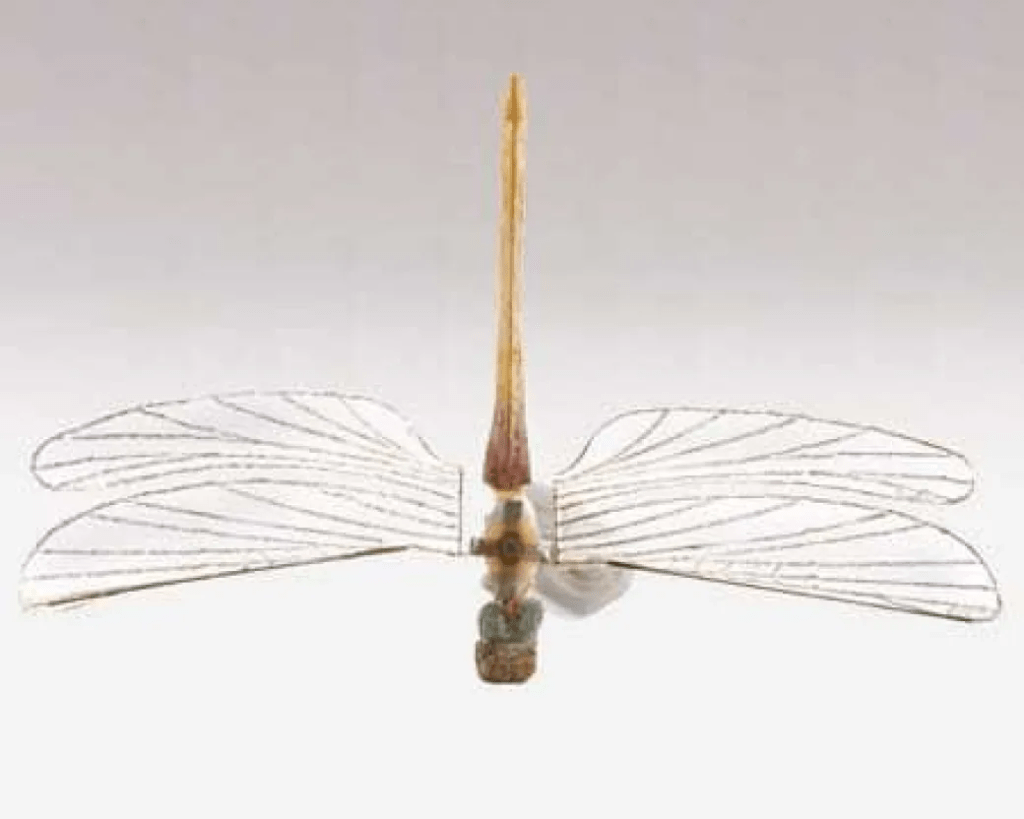
These small miniature drones called “insectothopers” are based on the characteristics of live insects, such as bumblebees and dragonflies. Initially, when the device was made in the 1970s, it was intended to mimic a bumblebee. However, due to the bees’ erratic flying patterns and their ability to sting, a dragonfly is considered instead. Luckily, one of the CIA’s employees is an entomologist, and taking advice, the agency’s Office of Research and Development created a realistic dragonfly bot measuring 6 centimetres with a 9 cm wingspan, which was well within the actual dimensions of the real bug. Choosing such a bug was a wise choice since the dragonfly is a nimble aerialist, able to hover, glide and change direction rapidly at 180 degrees in three wingbeats, making it an ideal candidate for surveillance. In addition, dragonflies are common on nearly every continent except Antarctica, making their appearance more natural compared to a bumblebee.
According to the CIA’s description, the dragonfly “insectothoper” used a small fluid oscillator powered by a small propellant of produced gas to propel the device’s artificial wings, with later tests adding additional thrust to sustain its capacity of 0.2gm. After a thorough paint job to reflect the dragonfly’s colours, the device would be fitted with an invisible infrared laser beam directed at a bimetallic strip in its tail, which would open and close the dragonfly’s exhaust, allowing the operator to steer it to its location.
Additionally, the beam serves as a data and communication link to the operator, enabling him or her to hear audio from the device’s location.
Although the “insectothoper” was a miniature engineering marvel considering the time it was produced, the 1-gram robobug never flew an actual spy mission, as crosswinds or even the gentlest breeze can cause it to veer off from the target. This led to the project being scrapped, though the agency still experimented with the idea of miniature UAVs twenty years later through another creature named “Charlie”, a robotic fish that had radio communications built into its belly.
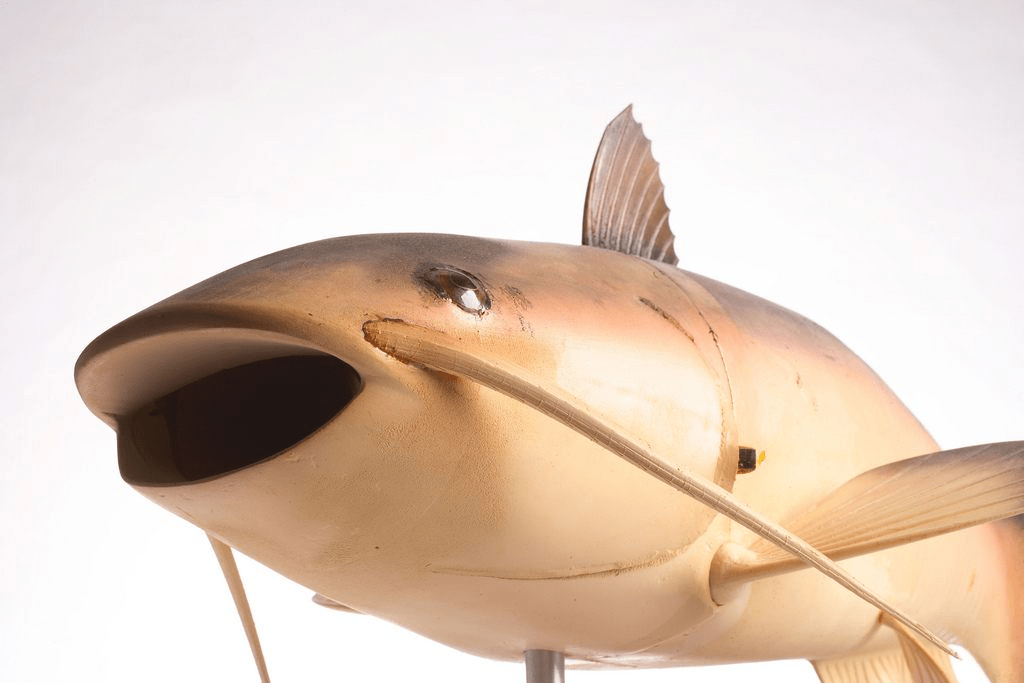
These inventions lay the groundwork for modern UAVs in surveillance and espionage missions.
https://spectrum.ieee.org/meet-the-cias-insectothopter
https://www.atlasobscura.com/articles/object-of-intrigue-the-cia-s-dragonfly-drone

 Military Battle Zone
Leave a comment