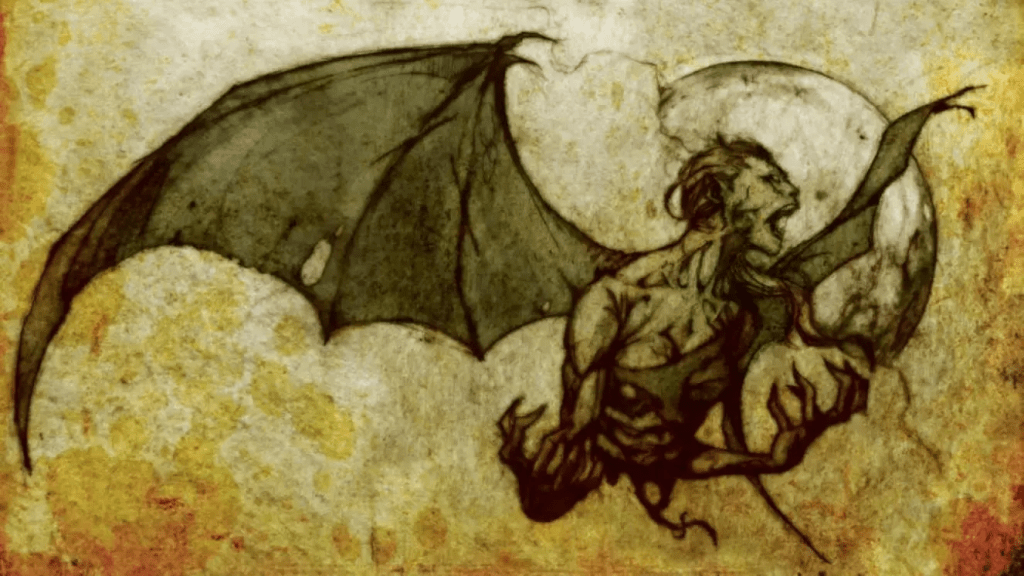
For centuries, Filipinos have upheld a strong superstition of supernatural entities that lurk in the night. One such monster is the Aswang, a vampire-like creature who can shape shift and feed on the bloodless corpses of unfortunate villagers and travelers. As terrifying as it seemed, it became the main centerpiece of one of the CIA’s most daring psychological operations in the Philippines.
As the Philippines recovered from the charred ashes of the Second World War, tensions soon broke out between the US-backed government and a group of Filipino insurgents known as the Hukbalahap or “Huks”.
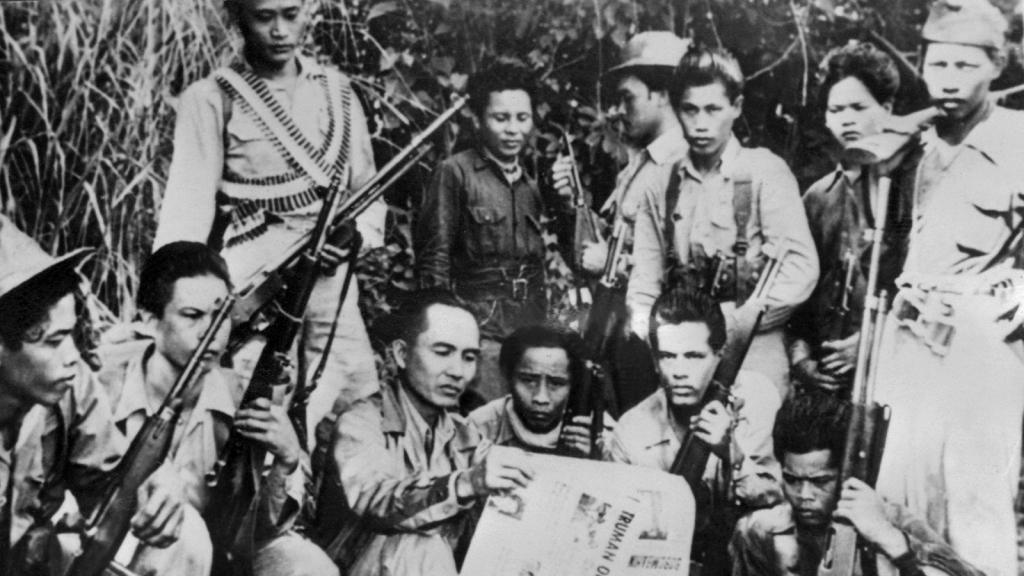
Once an anti-Japanese resistance group, the Huks took up arms against the Philippine government for their unpopular post-war economic policies and the group’s expulsion from Congress due to alleged communist ties. By 1950, the movement transformed into a full-blown insurgency with the Huks establishing regional governments, collecting regional taxes, supplies, and gaining local support. This threw a serious wrench into the Philippine government’s political, social, and economic stability, prompting US intervention in the form of the CIA.
One of these agents is a man named Edward Lansdale. Lansdale, an experienced US Army OSS (Office for Strategic Services) intelligence officer with expertise in covert operations, espionage, and psychological warfare, was tasked to assist the intelligence services in the Armed Forces of the Philippines in dealing with the Huks insurgency. Instead of employing conventional tactics, Lansdale leaned on the effectiveness of cultural manipulation and propaganda messaging as a potent psychological weapon, and the locals’ strong rural belief in monster myths such as the “Aswang” is the perfect candidate for weaponization.
From 1950 to 1954, the CIA devised a planned “scare” campaign using the Aswang to demoralize the Huks. This is done by ambushing a few Huks insurgents, puncturing the bodies with two vampire-like holes, draining their blood, and hanging them by the heels, making the corpses look like the victims of a blood-sucking creature. Although gruesome in practice, the strategy worked as many Huk insurgents, terrified by the sight of their dead comrades killed by the monster, retreated or relocated to another position. Locals who supported the Huks were also haunted by the rumors of the Aswang.
Thanks to these efforts and political and logistical problems among the Huks, the movement eventually lost its moral support, which made it easier for the Philippine Armed Forces to conduct their Search and Destroy missions leading to the surrender of the insurgents in 1954.
The success of the CIA’s “Aswang” psychological strategy shows that old superstition and folklore can be an effective tool in contemporary psychological warfare, and its concept gave influence to other innovative strategies rooted in deep cultural beliefs. One of which is Ghost Tape 10, created by the US Army during the Vietnam War.
https://www.esquiremag.ph/long-reads/features/cia-aswang-war-a00304-a2416-20191019-lfrm
https://www.aswangproject.com/psywar-philippines-aswang-cia/
https://veteranlife.com/military-history/aswang
https://history.howstuffworks.com/world-history/cia-vampires-communist-rebels-philippines.htm


Leave a Reply