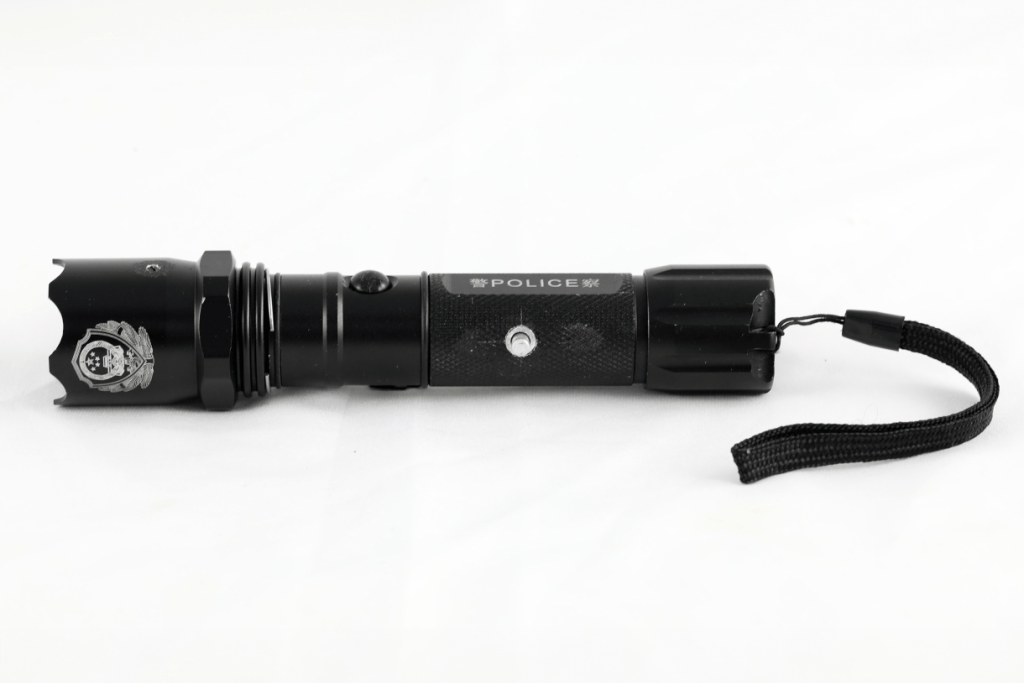
The North Korean Flashlight gun is one of those surreal and unusual examples of covert weapon design straight out of a James Bond flick. At first glance, it looks like a regular handheld torch- something a person would carry around or toss into a collection of miscellaneous items, complete with a wrist strap and the word “police” on one side. But inside, the weapon is engineered to fire three small-calibre bullets by pulling a trigger mechanism in the body of the torch, which is accurate enough to neutralise a target at a distance of 16 feet.
Unlike the Type 73 and other Soviet-era conventional firearms that were publicly featured in North Korean military propaganda commercials and marching parades, the flashlight gun thrives in the shady and shadowy world of North Korean intelligence, where the assassination of key political figures, defectors and other threats to the Kim regime family is essential for the preservation of the state. In September 2011, South Korean authorities reportedly confiscated the weapon from a North Korean assassin after a failed assassination attempt on an outspoken defector and human rights activist, Park Sang-Hak.
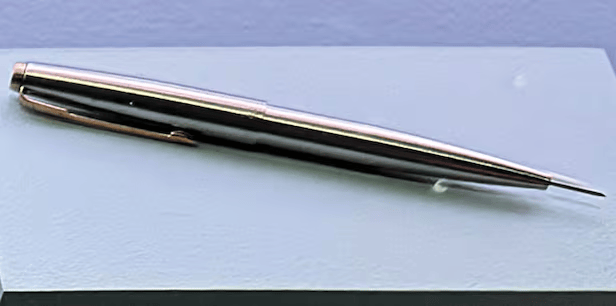
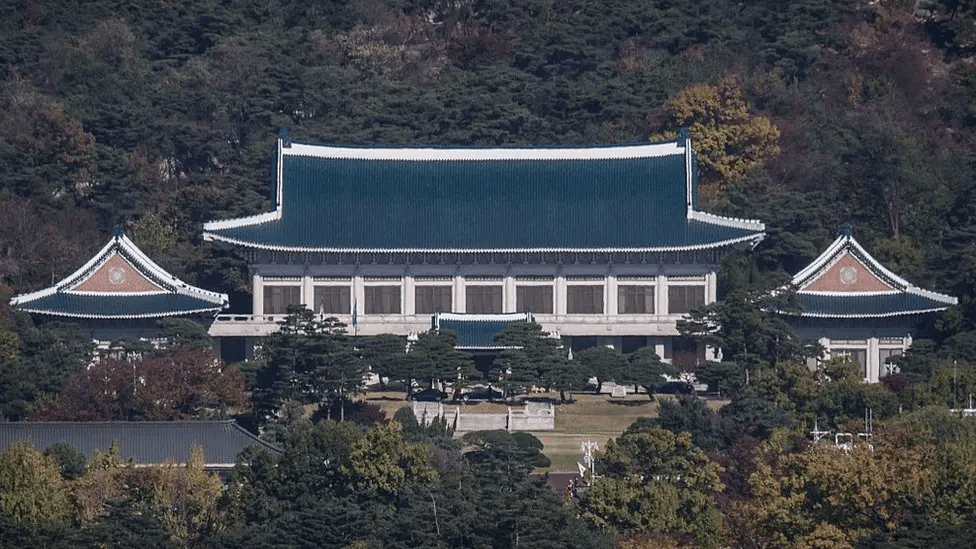
This included the confiscation of two ballpoint pens that contained sharp, poison-tipped needles, capable of causing muscle paralysis at an effective range of 10 meters. As little as 10 milligrams of the poison is reportedly sufficient to cause respiratory problems and potential heart failure, making these pens effective for surprise attacks at close range. Such weapons were also utilised by North Korean commandos during the failed 1968 attack on the Blue House (South Korean presidential residence) in an attempt to assassinate South Korean president Park Chung-Hee.
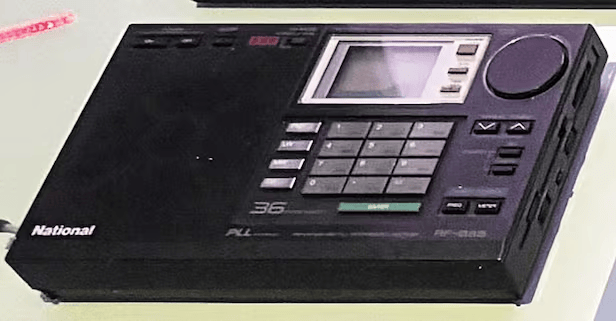
The flashlight gun and poison-needled ballpoint pens, however, are not the only gadgets in the regime’s unconventional arsenal. Other disguised items, such as, for instance, this Japanese Panasonic RF-B65 shortwave radio, are used by North Korean agents as a communication device to effectively communicate with their home country from a long distance, while tools called “code tables” help to interpret the random number broadcasts it transmits. Agents can also rely on old transmitters to report the information back home after completing their mission.
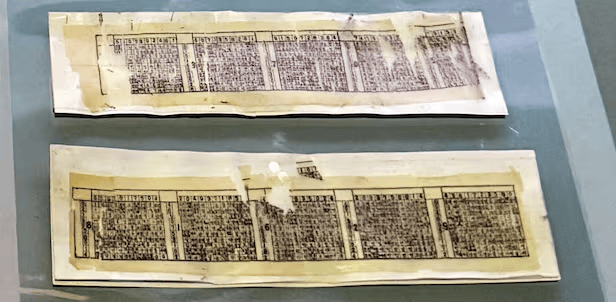
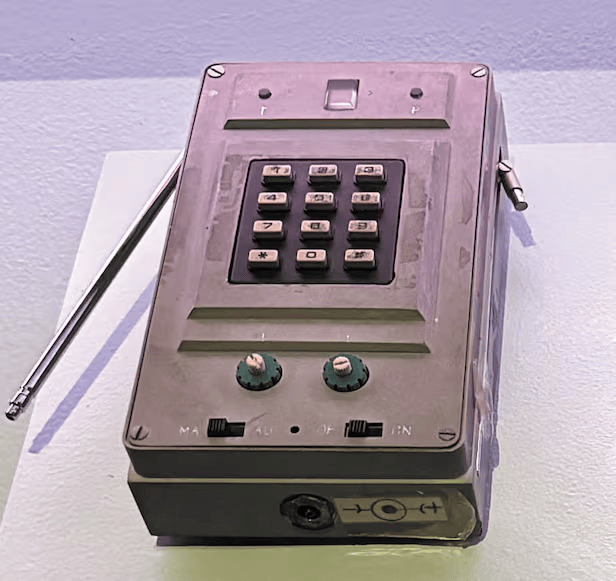
If an agent is compromised or captured, he/she may resort to using a lipstick concealment that contains an ampule of deadly liquefied poison gas, which is potent enough to kill the user immediately. Often, this item is used for suicide rather than assassination.
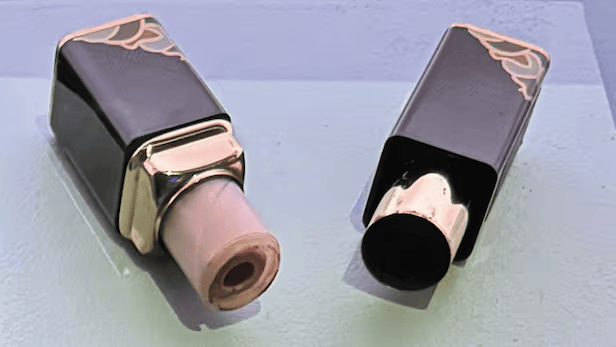
Although the devices mentioned here have limited accuracy and range and rely on outdated ergonomics and craftsmanship due to North Korea’s severe economic isolation from world trade, the presence of these concealed weapons as everyday objects demonstrates the regime’s capability to innovate in unconventional ways, symbolising that even in the most peaceful and innocent of times, wars can still be waged in the confines of international law.
https://www.chosun.com/english/north-korea-en/2024/05/27/YKHAEMHU7RESDJNO5HYVCYKRHI


Leave a Reply